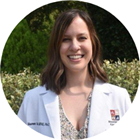
Who are nurse practitioners?
Nurse practitioners (NPs) are healthcare professionals who extend primary and specialty care. An NP who has a master's degree is authorized to prescribe medication. Their other responsibilities include:
- Collecting and recording medical histories of patients
- Diagnosing medical conditions, injuries, and acute illnesses
- Designing treatment plans
- Ordering diagnostic tests like lab reports and X-rays
- Carrying out necessary medical treatments
- Educating patients on medical conditions and treatments
In the US, nurse practitioners work in hospitals, community clinics, schools, birthing centers, and patient homes.
What are a nurse practitioner's education qualifications and training?
To become a nurse practitioner, one should first earn either a diploma, an Associate Degree in Nursing (ADN), or a BSN (Bachelor of Science in Nursing) degree to apply for RN (Registered Nurse) licensure. A BSN is the best option for aspiring nurse practitioners because it offers the solid educational foundation required for this role.
After the initial degree, prospective nurse practitioners must earn a master's or a doctorate. A Master of Nursing Science (MSN) or Doctor of Nursing Practice (DNP) degree is also acceptable. It is possible to attend a bridge program to earn multiple degrees simultaneously.
The duration of the course depends on what path you are choosing. Advanced degrees always focus on specialties. The time of each program is as follows:
- Diploma RN programs: 2 years
- ADN programs: 2 years
- BSN programs: 4 years
- MSN programs: 2 to 3 years
- DNP programs: 3 to 5 years
- ADN to MSN bridge programs: 3 years
- BSN to DNP bridge programs: 3 to 5 years
After completing their education, all nurse practitioners must pass the examination conducted by the National Council Licensure to obtain an RN license, which they need to keep updated throughout their careers. A certification exam in their specialty area is mandatory for nurse practitioners. This exam tests knowledge, skill, and understanding in their respective field.
To earn a state-wise license, one must submit proof of education and evidence of accreditation from the National Council Licensure to the state board of nursing. Some states require a separate prescriptive authority license for prescribing medicines.
To work legally as a nurse practitioner, one must keep their license in good standing. Each state has its rules for nurse practitioner licenses, and acquiring and holding a permit generally entails taking continuing education courses and putting in a certain number of clinical hours.
What are the specialties of nurse practitioners?
Nurse practitioners have a wide range of specialties, and their education, accreditations, and licensure vary based on it. They can gain additional training to become one of the following experts:
- Family nurse practitioners (FNPs) are primary care professionals who offer various healthcare services to patients of all ages. They play a crucial role in the healthcare system. These specialists can typically perform all the duties of nurse practitioners, assist doctors in minor surgeries, and make referrals when needed. They can work independently or in collaboration with other healthcare professionals.
- Adult nurse practitioners provide primary care services such as routine exams, education, treatment, and prescriptions to adults.
- Pediatric nurse practitioners care for children and young adults.
- Geriatric nurse practitioners provide care to older patients. They may work with specific populations, such as nursing home residents or people with diabetes.
- Women's nurse practitioners focus on women's health care, including comprehensive reproduction and gynecological care.
- Neonatal nurse practitioners provide care to newborns. They work in delivery rooms and neonatal intensive care units. They frequently offer education and counseling to new parents.
- Acute care nurse practitioners work in emergency rooms or urgent care centers to treat the sudden onset of a disease, severe illnesses, or injuries.
- Occupational health nurse practitioners treat workplace employees and educate them about primary health care.
Role and domain of nurse practitioners
Before booking an appointment with a nurse practitioner near you, it is conducive to understand their role so you can approach them in the right setting with appropriate expectations. Nurse practitioners can help with various treatments for patients with multiple conditions, including acute and chronic illnesses, disorders, illnesses, etc.
They help manage health issues by monitoring the patient and their ongoing treatment. They can help treat infections, asthma, heart disease, hypertension, and diabetes. They can also diagnose sexually transmitted infections and prescribe pregnancy tests and screenings. They also help women have healthy pregnancies and can further refer them to an OB-GYN when required. They also help promote health by giving patients useful advice and information on maintaining their health. They also coordinate with doctors and specialists to ensure patients receive the best healthcare. For this coordination, they practice in many different settings, such as:
- Hospitals: Nurse practitioners in hospitals are a vital element of the in-house team of physicians, specialists, and other primary care providers.
- Private clinics: Most nurse practitioners work in private clinics with physicians with whom they work in parallel. Therefore, they are part of all outpatient and specialty primary care aspects.
- Schools: Nurse practitioners often work with school-certified nurses to help treat acute illness and carry out mandated student screenings. They also prescribe medications, order tests, refer students to specialists, and perform physical examinations.
- Public health department: Government agencies hire nurse practitioners to provide healthcare to underprivileged populations. They help communities learn about disease prevention and health maintenance and carry out vaccination drives.
- Other settings: Nurse practitioners also work in hospice and urgent care centers. They are invaluable in rural areas due to a lack of medical workforce and access to proper healthcare structures. They provide comprehensive, patient-centric treatment that is more cost-effective than visiting doctors.
Differences between nurse practitioners and physician assistants
Nurse practitioners and physician assistants (PAs) share similar responsibilities in advanced healthcare, such as diagnosing medical conditions and prescribing treatments. However, key differences exist in their education, certification, and level of autonomy.
Both NPs and PAs work in diverse healthcare environments, including hospitals, clinics, nursing homes, and specialty care facilities. However, physician assistants generally operate under the supervision of a physician, whereas nurse practitioners may have greater independence, especially in states that allow them to run their own practices.
The educational paths for these professions also differ. Nurse practitioners receive advanced training in nursing, often specializing in areas like neonatal care, and typically hold a master's or doctoral degree in nursing. On the other hand, physician assistants undergo broad medical education and earn a master's degree in Physician Assistant Studies.
Certification processes vary as well. Nurse practitioners must pass exams conducted by national nursing organizations, while physician assistants are certified through the National Commission on Certification of Physician Assistants. Despite these differences, both careers offer strong job growth, with demand increasing faster than the average for other professions.
Should you see a nurse practitioner or a doctor?
Choosing between a nurse practitioner and a doctor can be challenging, as factors such as subspecialties, state regulations, and the complexity of medical conditions influence the decision.
Doctors are typically the preferred choice for managing chronic illnesses and their complications, as these conditions often require specialized expertise and long-term treatment plans that only physicians can provide.
On the other hand, nurse practitioners have a more limited scope of practice and are well-suited for addressing minor illnesses, administering vaccines, and conducting routine check-ups. Since managing chronic diseases demands extensive training, some nurse practitioners opt to further their education to become doctors.
Nurse practitioners generally refer patients to a primary care doctor for further evaluation and treatment when a medical issue falls outside their scope.
Can nurse practitioners provide mental healthcare?
There is a huge need for mental health providers in the United States. Data gathered by the Health Resources & Services Administration summarizes Health Professional Shortage Areas (HPSAs). HPSAs are identified areas and population groups in the United States experiencing a shortage of primary care, dental, and mental healthcare professionals. As of May 2024, there are 6,233 designated HPSAs with a shortage of mental health professionals. Nearly 122 million people live in such areas. These people would need an estimated 6,140 mental healthcare providers to bridge this gap.
This growing need for mental healthcare professionals emphasizes the importance of NPs and other advanced nurse practitioners in covering this shortage and providing essential mental healthcare services to those in need. Many family nurse practitioners (FNPs), depending on the scope of practice in their state, can offer direct care for common mental illnesses. FNPs in primary care are often the first to see patients with problems like depression and anxiety. In some rural or remote settings, an FNP may be the only healthcare provider available to patients.
However, it is also vital to note that diagnosing and treating patients with complex or severe mental illnesses and prescribing psychiatric medications may be outside their scope of practice.
Some nurse practitioners choose to specialize in mental healthcare. These nurses are called “psychiatric mental health nurse practitioners” or PMHNPs. These nurses work in hospitals, schools, correctional facilities, telehealth, and military settings. They can provide counseling, prevent, diagnose, and treat issues like substance abuse, bipolar disorder, panic disorders, autism spectrum disorders, trauma, PTSD, and eating disorders.
Psychiatric mental health nurses can work with pediatric and adolescent patients, individuals with exposure to domestic violence, and geriatric patients. Depending on state regulations, some PMHNPs can also prescribe psychiatric medications, either with the oversight of a physician or without. They also provide screenings and coordinate care with specialists when required. PMHNPs may also offer individual, group, or family psychotherapy.
Beyond direct patient care, nurse practitioners can spread mental health awareness on a broader scale. For example, they may contribute by educating their community on mental health, collaborating with schools to implement mental health support programs, and engaging in advocacy efforts to remove any stigma or myths associated with mental health.
How can you find the best nurse practitioner near you in San Antonio, Texas?
Zocdoc can help you to find the best nurse practitioners in San Antonio, Texas! Zocdoc's platform allows you to search for nurse practitioners who suit your preferences based on the following:
- The nature of your condition or symptoms
- The date and time for a preferred appointment
- Residential address
- Zip code
- Medical insurance carrier plan
Once you enter your details into the appropriate search boxes, Zocdoc will sort through the thousands of nurse practitioners in its database and present you with a list of professionals best suited to fulfill all your needs. You can even make in-person or online appointments with a nurse practitioner in your area using Zocdoc.
Every nurse practitioner listed on Zocdoc has a distinct profile with information about their education, experience, and accreditation. Patients can access this data by simply clicking on the doctors' names. The profiles of these medical practitioners also include details such as the services they provide, their gender, the languages they can speak, and the medical insurance they accept.
To find out which nurse practitioners in your vicinity accept your insurance, choose your current insurer from the drop-down menu on the website. The application will tell you which nurse practitioner will take your insurance to cover payments. If you cannot find your insurance plan listed on Zocdoc, you can upload an image of your insurance card. Zocdoc will then scan your insurance card and show you a plan that matches. This facility is available only for medical insurance cards and excludes vision and dental insurance.
If you cannot upload your card, you may contact Zocdoc's service team, which is available year-round to answer all your questions concerning Zocdoc. Further, if you wish to learn more about how insurance works on Zocdoc, go through Zocdoc's patient help center.
Zocdoc's physician profiles also have verified patient reviews and ratings to help you make an informed choice. With Zocdoc, you can schedule appointments before, during, or after office hours based on the nurse practitioner's availability. If their schedule allows, you may also book appointments on weekends and holidays.
Booking appointments with nurse practitioners near you on Zocdoc is simple, secure, and 100% free!
Nurse practitioners statistics in San Antonio, Texas
The career of a nurse practitioner is quite popular in the US, and the number of nurse practitioners is growing yearly. A report from the American Association of Nurse Practitioners (AANP) indicated that over 350,000 nurse practitioners will be in the USA in 2022. In 2019, over 89% of nurse practitioners received training to provide primary care, with family nurse practitioners accounting for the majority (65.4%). Texas had the most nurse practitioners in 2021, with roughly 17,810 employed nurses.
Sources
American Association of Nurse Practitioners
Healthline
NursingProcess.org[1]
NursingProcess.org[2]
Nurse.org[1]
Nurse.org[2]
U.S. Bureau of Labor Statistics
KFF
Health Resources and Services Administration
The Journal for Nurse Practitioners
Duquesne University
NurseJournal
Cedars Sinai
University of St. Augustine for Health Sciences