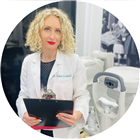
Optometrists offer primary vision care, including diagnosing, treating, and managing eye illnesses and disorders. They typically perform vision tests and eye exams to detect problems and prescribe medications, spectacles, and contact lenses if needed. Moreover, these eye doctors can perform specific surgical procedures and provide low-vision rehabilitation and vision therapy.
What kind of education and training do optometrists undergo?
Aspiring optometrists must first earn a bachelor's degree in pre-med or science. They must then clear the Optometry Admission Test (OAT) to get admission into a four-year Doctor of Optometry program. Some optometrists complete a one-year residency after optometry school.
After earning a doctoral degree, aspirants must clear the National Board of Examiners in Optometry (NBEO) examination. They must then apply and secure a state-level license to practice optometry. After obtaining a permit, some optometrists prefer to specialize further in a specific area of optometry by doing a specialty fellowship, while others focus on gaining additional clinical training.
No, optometrists and ophthalmologists are not the same. Though they are both eye specialists, these two professions differ significantly. Ophthalmologists can diagnose and treat any illness or condition that affects the eyes and vision. They are medical doctors and have completed medical school with either a Doctor of Medicine (M.D.) or a Doctor of Osteopathy (D.O.) degree. On the other hand, optometrists attend a school of optometry and have a Doctor of Optometry degree.
Further, ophthalmologists can perform eye surgery thanks to their extensive training. However, optometrists are not licensed or qualified to perform complex eye surgery, although they can perform minor surgery.
What eye conditions can optometrists diagnose and treat?
While optometrists are not doctors and do not receive the level of training that medical eye doctors or ophthalmologists receive, they can perform eye exams and vision tests, prescribe and dispense corrective lenses, diagnose specific eye abnormalities, and prescribe medications for certain eye diseases (depending on state laws and scope of practice).
Some common eye problems your optometrist can diagnose include:
- Age-related cataracts: The eye lens is a clear, flexible structure of proteins that can break down as we age. Breaking down these proteins leads to cloudy patches forming on the eye lens. These are called age-related cataracts. The breakdown of proteins in eye lenses starts around the age of 40. However, symptoms are typically observed after individuals turn 60. These symptoms include cloudy, blurry, or foggy vision, seeing colors faded or not as bright as usual, difficulty seeing at night, sensitivity to bright lights, and seeing halos or streaks forming around lights. Optometrists can diagnose this condition and assess its severity through a comprehensive eye examination. Surgery performed by an ophthalmologist is the only way to replace the cloudy lens and restore clear vision.
- Glaucoma: When fluid builds up in front of the eye, it may cause intraocular pressure and damage the optic nerve, eventually leading to vision loss and other symptoms. This condition is called glaucoma. If untreated or poorly managed, glaucoma leads to permanent and irreversible loss of vision. Its symptoms include red eyes, nausea, vomiting, eye pain or pressure, headaches, and rainbow-colored halos around lights. Your eye doctor may prescribe prescription drops, perform laser therapy procedures, or even recommend surgery to treat glaucoma.
- Astigmatism: In this condition, a person's eyes are more curved than they should be. In a healthy eye, light passing through the cornea is focused on the retina, which then converts into electric signals sent to the brain to interpret the image or object you see. In astigmatism, light is more bent and, therefore, cannot focus properly on the retina. This leads to seeing glare or halos around lights, headaches, fatigue, squinting to see, and eye strain. To treat this, your optometrist will typically prescribe eyeglasses or contacts for astigmatism.
- Color blindness: People with this condition do not see colors like others usually do. This happens when cones (cells present in the retina), which are responsible for helping us perceive color, do not work correctly. It's important to note that individuals with color blindness can see some colors. They may need help to distinguish between certain shades and colors. For the majority, color blindness is inherited, but it may be acquired due to certain medical conditions that affect the eyes, brain, or nervous system. While there is no specific treatment for color blindness, you can still talk to your optometrist about options like color blindness glasses.
When and why should you visit an optometrist near you?
The health of our eyes changes over time, sometimes without our knowledge. That is why you must regularly visit an optometrist who can identify vision disorders and recommend immediate treatment. Parents should get their children's eyes checked during the first year after birth and every one or two years afterward. Those aged 18 to 55 should have their eyes examined every one to two years, whereas those above 55 should have their eyes checked every year.
However, if you already wear glasses, contacts, or other visual aids, you must get your eyes checked more often. An optometrist can tell you how usually you should do this. You could also visit an optometrist if you have symptoms like light sensitivity, blurry vision, redness, double vision, or persistent eye pain. If you find your vision deteriorating, see flashes of light, circles or halos around lights, or specks that float in front of your eyes, visit an eye doctor as soon as possible.
Further, if you have a family history of eye disease or vision loss or take prescription medication that affects the eyes, visiting an optometrist would help. Moreover, if you have a chronic illness such as diabetes, you are at greater risk of eye disease. An optometrist can refer you to an expert, such as an ophthalmologist if you require eye surgery or further treatment.
What is the meaning of a comprehensive eye exam?
A comprehensive eye exam is a vital assessment of a patient's eye and vision health. Beyond evaluating visual acuity through refraction, this thorough examination delves into the overall health of the eyes and eye tissues and the detection of various diseases. The tests conducted during the exam are tailored to individual symptoms and guided by the doctor of optometry's professional judgment.
The significance of in-person, comprehensive eye exams with a doctor of optometry is to ensure precise and healthy vision per medical standards. These exams are crucial in identifying and treating diseases, including severe conditions like glaucoma, a leading cause of blindness. Moreover, they provide a proactive approach to overall health by allowing doctors to detect more than 270 severe health conditions, ranging from diabetes and high blood pressure to autoimmune diseases and cancers.
Unlike vision screenings, often conducted at schools, pediatrician offices, or the DMV, comprehensive eye exams provide a more thorough evaluation. Vision screenings, while uncovering some issues, may need to be addressed, potentially leading to a fake sense of security for those who pass the screening. Therefore, a comprehensive eye exam is an indispensable preventive measure for preserving vision and overall health.
What are some other eye exams performed by an optometrist?
Optometrists can perform different eye exams to check for various vision disorders. These include:
- Retinal exam: During this exam, the optometrist uses an ophthalmoscope to examine the blood vessels, retina, optic nerve, and the fluid in the back of the eyes. They check the fluid pressure for signs of glaucoma, peripheral vision, and corneal thickness.
- Visual acuity: These experts conduct a visual acuity or refraction test to check whether you need corrective lenses. During this exam, the optometrist will cover one eye and ask you to read different lines from an eye chart, beginning with the most prominent letters at the top to the smallest ones at the bottom. They will perform a refraction test if you need glasses or contacts. It involves flipping back and forth between different lenses to fine-tune the prescription.
- Cover test: During a cover test, the optometrist asks you to focus on a small target at a specific distance and then cover one eye and then the other. They will check how well your eyes move and work together.
- Pupil reactions: During this exam, the optometrist checks how your pupils adjust to different amounts of light. They also check the whites of your eyes and the position of your eyelids.
What kind of treatments do optometrists provide?
Optometrists offer a range of treatments beyond glasses and contact lenses, depending on the specific eye problem. These treatments include:
- Post-surgery eye care: Optometrists frequently oversee post-eye surgery recovery, ensuring patients progress as expected.
- Foreign body removal: Optometrists skillfully address instances where foreign objects enter the eye due to accidents or injuries.
- Medication prescriptions: Optometrists prescribe medicated eye drops, addressing conditions like glaucoma or dry eye.
- Dry eye management: Diagnosing and treating dry eye, which affects around 5 million Americans, involves recommending artificial tears, medications, and lifestyle adjustments. The suggestions are made for improved eye comfort, such as using humidifiers and taking breaks from extended screen use.
- Vision therapy: Optometrists employ specialized lenses, prisms, and computer programs for vision therapy to enhance visual function.
These treatments underscore the comprehensive care optometrists provide. They address various eye-related concerns beyond corrective lenses and play a key role in promoting eye health and overall well-being.
How do you find a good optometrist near you in Hackensack, New Jersey?
Visiting an optometrist when you notice any eye or vision changes is crucial. In addition, you should schedule routine eye exams to maintain your general health. Thanks to Zocdoc, finding an optometrist in Hackensack, New Jersey, has never been simpler. Visit the website and enter your specific symptoms in the search box. With search filters based on location, doctor specialty, insurance coverage, and more, you can screen these results accordingly to find the right provider.
If you wish to book an appointment with an in-network optometrist, you can manually select your insurance carrier and plan on the Zocdoc website. You can also find your particular health plan by uploading a photo of your insurance card. Then, allow Zocdoc to scan the image of your card to show you your likely plan. This option is available only for medical insurance cards. Dental or vision insurance cards are excluded. If you need assistance uploading your medical insurance card, contact Zocdoc's dedicated service team, available 365 days a year, to help you solve any issues or queries regarding the platform. You may also access Zocdoc's patient help center for more insurance-related information.
All medical specialists listed on Zocdoc have their credentials and validity confirmed. To judge the legitimacy of the healthcare provider, one can read the many reviews and ratings left by past patients who used Zocdoc's services. Additionally, each optometrist on Zocdoc has a well-kept profile that includes detailed information on their education, training, hospital connections, area of expertise, accolades, qualifications, and gender. You will also find other information, such as the languages they are fluent in and whether they treat children.
Depending on the optometrist's availability, you can make an appointment during or after regular business hours, before 10 a.m., or even on weekends and holidays.
Booking appointments with optometrists near you on Zocdoc is easy, safe, and free.
Prevalence of visual disability and glaucoma in New Jersey
Per the U.S. Bureau of Labor Statistics, there were approximately 660 optometrists in New Jersey in May 2021.
Glaucoma is a group of illnesses that can lead to vision loss or blindness by damaging the eye's optic nerve. According to a 2020 article by the Centers for Disease Control and Prevention (CDC), approximately three million people in America have glaucoma. Glaucoma causes one of the highest numbers of cases of blindness worldwide, and about 50% of people with glaucoma don't even know they have it. Further, according to the same source, about 4% of adults in New Jersey had vision disabilities in 2020. The results deduce that they were blind or had severe difficulty seeing, even when wearing glasses.
Sources
American Optometric Association
U.S. Bureau of Labor Statistics
Centers for Disease Control and Prevention[1]
Centers for Disease Control and Prevention[2]
Verywell Health
American Academy of Ophthalmology
WebMD
Cleveland Clinic[1]
Cleveland Clinic[2]
Cleveland Clinic[3]
Cleveland Clinic[4]
Cleveland Clinic[5]