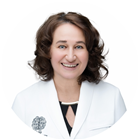
Who is a psychiatrist?
A psychiatrist is a healthcare specialist who trains in diagnosing, treating, and preventing mental, emotional, and behavioral disorders. They focus on mental health, including substance use disorders, and are qualified to evaluate psychological issues on both mental and physical levels.
As medical professionals, psychiatrists can order or carry out a variety of physical and psychological tests. They use the Diagnostic and Statistical Manual of Mental Disorders (DSM-5), published by the American Psychiatric Association, to diagnose various mental health conditions. After making a thorough diagnosis, they create individualized treatment plans using a combination of medication, psychotherapy (talk therapy), and other medical procedures.
Education and training of psychiatrists
Aspiring psychiatrists must pursue a four-year bachelor's degree and attend four years of medical school to receive a Doctor of Medicine (M.D.) or Doctor of Osteopathic Medicine (D.O.) degree. They must then complete a residency program in psychiatry to gain practical experience.
Following their four years of general psychiatry training, some psychiatrists pursue a fellowship to advance their education and specialize in a particular subject or subfield, such as:
- Addiction psychiatry/medicine
- Consultation-liaison psychiatry
- Child and adolescent psychiatry
- Geriatric psychiatry
- Sleep medicine
- Hospice and palliative medicine
- Pain medicine
- Forensic psychiatry
What treatments do psychiatrists provide?
Psychiatrists employ and recommend a combination of different treatment methods, such as:
Medication: Psychiatrists often prescribe drugs to help treat mental health issues. These medicines change the chemical signaling and communication inside the brain, which can lower some psychiatric conditions' symptoms.
Some of the most common classes of medication prescribed by psychiatrists are:
- Antidepressants
- Antipsychotic medications
- Mood stabilizers
- Ketamine (a dissociative anesthetic)
- Hypnotic drugs
- Sedatives and anxiolytics (minor tranquilizers)
- Stimulants
Psychotherapy (talk therapy): Each person's treatment plan for mental health issues is highly individualized. Psychotherapy, also known as "talk therapy" or "therapy" for short, involves talking with a qualified healthcare professional to tackle mental health and psychological issues. It helps patients identify and work through the factors causing or triggering their mental health conditions.
Depending on the issue that needs to be treated, psychotherapy can be short or long-term and have different approaches. There are diverse kinds of psychotherapies, such as:
- Cognitive Behavioral Therapy (CBT): It helps change a patient's inaccurate perception of themselves and the world around them.
- Mindfulness-Based Cognitive Therapy (MBCT): MBCT combines cognitive therapy, meditation, and mindfulness.
- Interpersonal Therapy (IPT): IPT aims to improve self-esteem and communication skills by focusing on one's behavior and connections with those around them.
- Dialectical Behavioral Therapy (DBT): This type of CBT is used in high-risk, tough-to-treat patients. It helps them overcome their harmful and unhealthy behavior and thoughts.
- Problem-Solving Therapy (PST): It aims to improve one's ability to cope with problematic and stressful situations by learning healthier ways to address issues.
- Psychodynamic therapy: It involves delving deeper into a person's emotions and mental processes to understand how they feel and think.
Other treatments: For some psychiatric conditions, psychiatrists occasionally use alternative therapies, such as:
- Transcranial Magnetic Stimulation (TMS): It uses magnetic fields to modify the brain's electrical activity by stimulating its nerve cells
- Electroconvulsive Therapy (ECT): It uses small, controlled electric currents on the brain to alter its chemistry.
- Light therapy for seasonal depression: It involves exposure to a light source that mimics daylight to create a chemical change in the brain that can uplift one's mood and alleviate symptoms of depression.
Besides these, psychiatrists use several other forms of treatments that may not be as common, such as Vagus Nerve Stimulation (VNS) and Deep Brain Stimulation (DBS).
What should you expect from your first visit to a psychiatrist near you?
It is beneficial to be organized to make the most of your appointment with your psychiatrist. The following are a few tips to help you get ready for your psychiatric visit:
- Prepare a list of all the crucial topics you want to discuss with your psychiatrist.
- Talk about any changes to your overall physical health.
- Consider keeping a daily symptom journal to make it simpler to monitor how your symptoms change or impact your quality of life.
- Carry a record of your and your family's medical and mental health history.
- Tell your psychiatrist how your family, friends, and coworkers who genuinely care about you perceive your condition.
What is an anxiety attack and a panic attack?
The Diagnostic and Statistical Manual of Mental Disorders, 5th edition (DSM-5) doesn't mention anxiety attacks. However, it defines anxiety as a feature of several common psychiatric disorders such as generalized anxiety disorder, separation anxiety disorder, panic disorder, post-traumatic stress disorder, social anxiety disorder, agoraphobia without a history of panic disorder, obsessive-compulsive disorder, and specific phobia.
Anxiety often arises from anticipating stressful situations or events and may develop gradually. Signs and symptoms of anxiety include worry, distress, and fear. However, since anxiety attacks are not recognized as diagnoses, the signs and symptoms are open to interpretation, and this means that two people may experience an "anxiety attack" but have different symptoms, making it difficult to determine a standard set of criteria.
Panic attacks are sudden and involve intense fear, often accompanied by challenging physical symptoms such as shortness of breath, racing heartbeat, or nausea. DSM-5 categorizes panic attacks as either unexpected or expected. Unexpected panic attacks can occur without an obvious trigger, while expected panic attacks are caused by external stressors such as phobias. Experiencing multiple panic attacks may indicate panic disorder, a mental health disorder characterized by sudden and repeated episodes.
Tips for handling anxiety attacks and panic attacks
Consult with a doctor or a psychiatrist near you immediately if you experience anxiety or panic-related symptoms. They can help you find effective ways to prevent and treat these symptoms. Developing a treatment plan and following it consistently during an attack can give you a sense of control and help you manage the situation better.
In case you feel an onset of anxiety or panic attack, you may try the following:
- Take slow, deep breaths: If you are experiencing anxiety, try to concentrate on your breathing. Inhale and feel your stomach fill with air. Exhale, slowly counting down from four. Repeat until your breathing slows.
- Recognize and accept what you're experiencing: If you have ever experienced an anxiety or panic attack, you understand how difficult it can be. However, it is important to remind yourself that the symptoms will eventually pass, and you'll be okay.
- Practice mindfulness: Mindfulness-based treatments have become more prevalent in treating anxiety and panic disorders. Practicing mindfulness can help ground thoughts in the present by actively observing the thoughts and sensations without reacting to them.
- Use relaxation techniques: One can use several relaxation techniques, such as aromatherapy or muscle relaxation exercises, to reduce stress and promote relaxation. If you are feeling the onset of anxiety or a panic attack, try engaging in calming activities. For instance, you could close your eyes, take a bath, or use lavender, which has calming effects.
- Lifestyle changes: By making certain positive changes in your lifestyle, you can effectively prevent anxiety and panic attacks and also reduce the intensity of their symptoms in case an attack occurs. These changes include managing and reducing sources of stress, learning how to identify and stop negative thoughts, getting regular moderate exercise, practicing meditation or yoga, eating a balanced diet, joining a support group for people with anxiety or panic attacks, and limiting your consumption of alcohol, caffeine, and drugs.
How do you find the best psychiatrists near you in Milwaukee, WI?
Finding a psychiatrist when you need one might be challenging while struggling with mental health. However, Zocdoc can assist you in getting easy access to a licensed psychiatrist from the convenience of your home. Using Zocdoc, you can book a virtual appointment or in-person consultation with a psychiatrist to avoid the challenges of traveling to a hospital or clinical facility.
Log in to the Zocdoc platform and enter your symptoms and location to receive a list of top-rated specialists matching your preferences. You can refine your search results with filters based on gender, hospital affiliation, spoken languages, and whether a provider tends to children. You can also narrow the list of psychiatrists near you to find the ones who accept your insurance by choosing your plan and provider from the drop-down menu.
Every listed healthcare professional on Zocdoc has a unique profile that includes information on their professional training, credentials, licenses, honors, and accreditations. To further assist you in making an informed decision, you may also access verified reviews and ratings from previous patients. Once you have selected the best psychiatrist for your needs and requirements, Zocdoc will help you instantly schedule a consultation based on their availability.
All bookings on Zocdoc are easy, free, and secure.
Psychiatric Statistics for Wisconsin
As per a report by the U.S. Bureau of Labor Statistics, there were approximately 26,500 psychiatrists employed nationwide as of May 2022. Of these, around 460 worked in Wisconsin.
According to statistics published by the National Alliance on Mental Illnesses in February 2021, roughly 1 in 5 U.S. adults experiences a mental illness yearly. Approximately 859,000 adults in Wisconsin suffer from some mental health condition, of which 244,000 have a serious mental illness. Around 36.4% reported symptoms of anxiety or depression.
The report also shows that many Wisconsinites struggled to get help, and around 266,000 did not receive the necessary mental health care. Of these, approximately 37.3% did not receive the required treatment because of cost.
Sources
Cleveland Clinic
WebMD
Healthline[1]
Healthline[2]
Mayo Clinic[1]
Verywell Mind[1]
Verywell Mind[2]
Mayo Clinic[2]
U.S. Bureau of Labor Statistics
American Psychiatric Association
National Alliance on Mental Illness